
About Dialectik SEI

Independent measurement at the intersection of people and nature.

Dialectik SEI exists because the two dimensions that determine the success or failure of environmental interventions — the social and the ecological — have never been measured together with equal rigour. We build tools that close that gap: a methodology that is both scientifically peer-reviewed and practically deployable at low cost.

We believe resilience is neither social nor ecological alone. It is the measured connection between them. Any framework that captures only one side of that connection produces a number, not an understanding — and numbers without understanding are how environmental interventions fail.

Communities cannot be treated as afterthoughts in environmental governance. The quality, fairness, and structure of their participation is what determines whether a project endures or collapses. Measuring that participation with the same scientific seriousness we apply to satellite data is the work.

What we do


A methodology designed to be both rigorous and deployable

Latin American DNA, Dutch registration

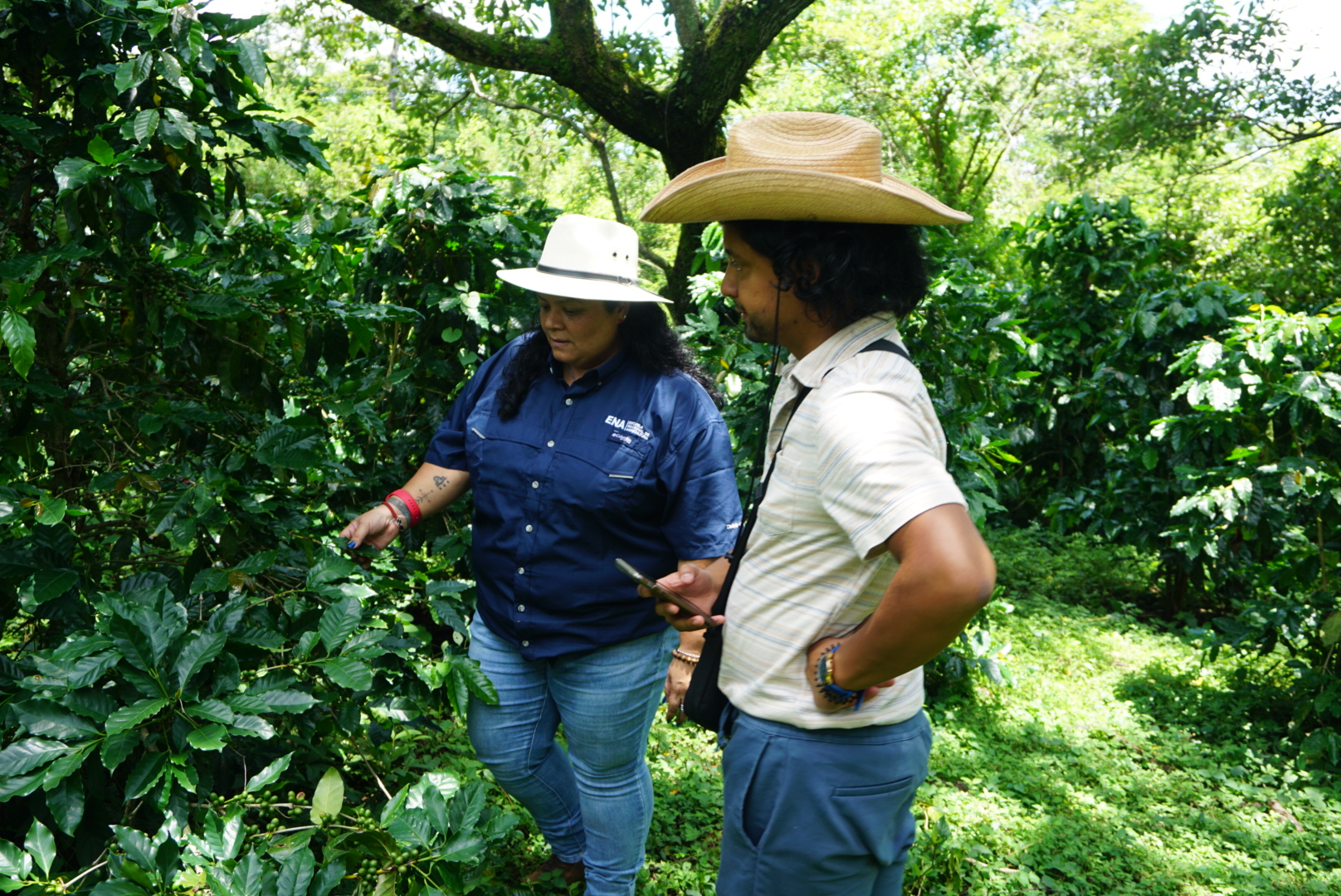
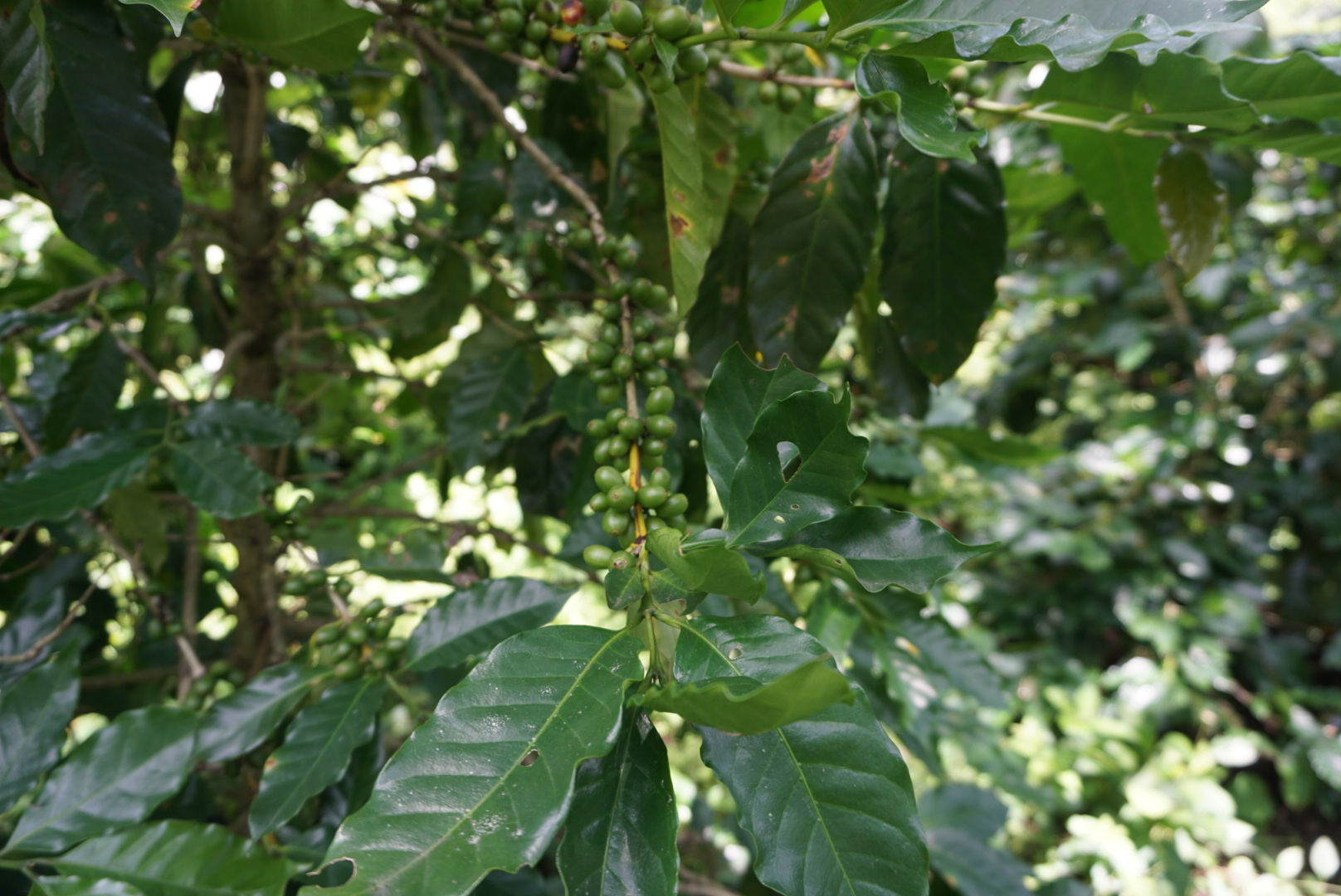
Dialectik SEI was founded by Dr. Jose Daniel Teodoro, a Latin American scientist based in The Hague. Our work is grounded in two peer-reviewed publications in Environmental Science & Policy (2024, 2026) — covering transdisciplinary climate adaptation in El Salvador's coffee sector and the SNPI framework itself. A Dutch-registered consultancy, built on Latin American research.

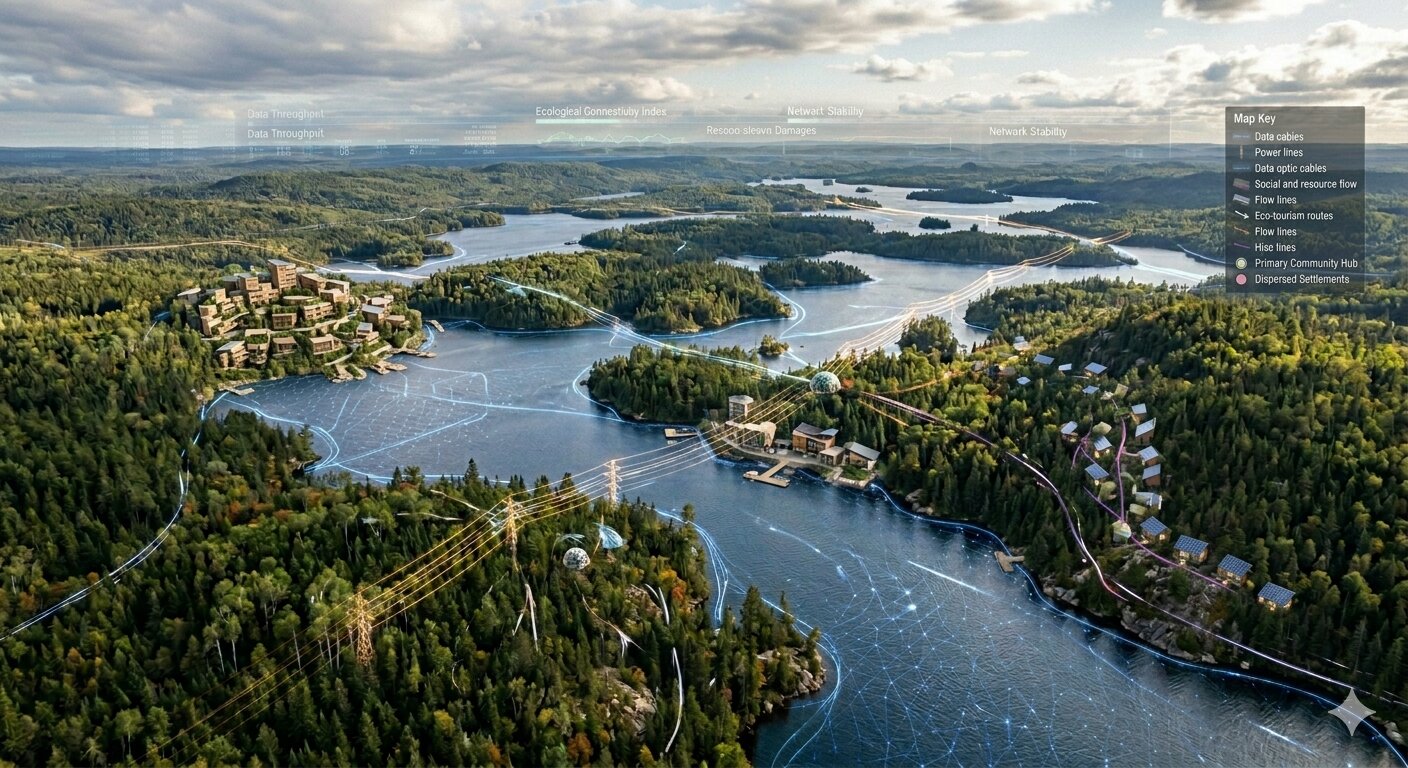
The SNPI framework, paired with geospatial science

Our proprietary, peer-reviewed Social Network Performance Indicators (SNPI) framework quantifies stakeholder collaboration networks using adjacency matrices, edge lists, and metrics such as density, centrality, and reciprocity. We pair it with environmental and geospatial analysis — remote sensing, LiDAR, hydrological modelling — to produce integrated social-ecological assessments.

Built for the institutions shaping climate outcomes

We serve governments and agencies that need verifiable stakeholder-engagement evidence; carbon market developers requiring rigorous social co-benefit verification; conservation programmes measuring community resilience from nature-based solutions; and development finance institutions investing in climate and nature projects across LAC and globally.

Current focus


The LAC Coffee Sector Climate & Social Vulnerability Assessment

A regional initiative integrating remote-sensing data with SNPI social network analysis across Colombia, Costa Rica, El Salvador, Guatemala, and Mexico. Built on existing research partnerships and co-designed with Latin American scientists and institutions.

From the field


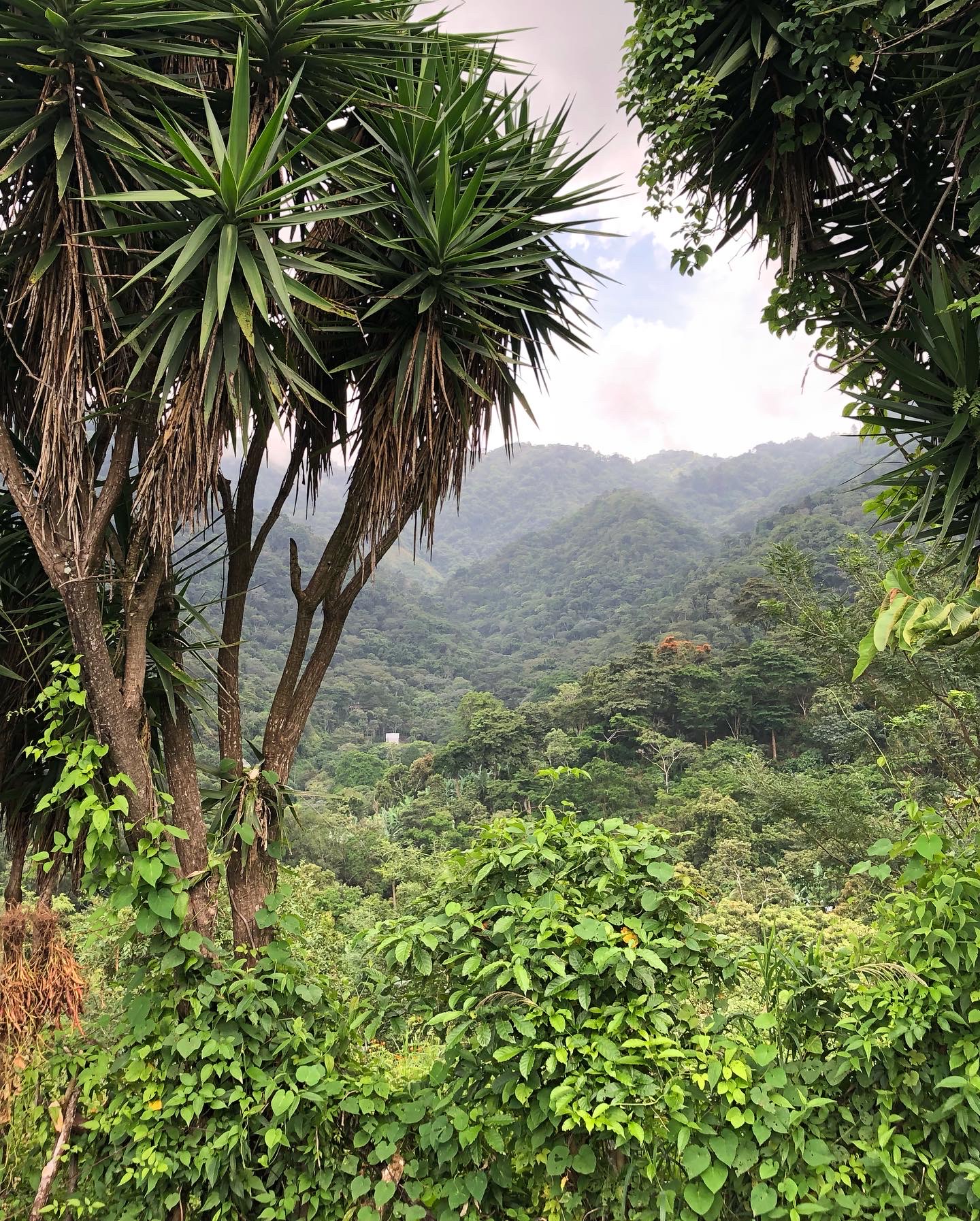
El Salvador, where this work began

The team


Two researchers, one transdisciplinary practice

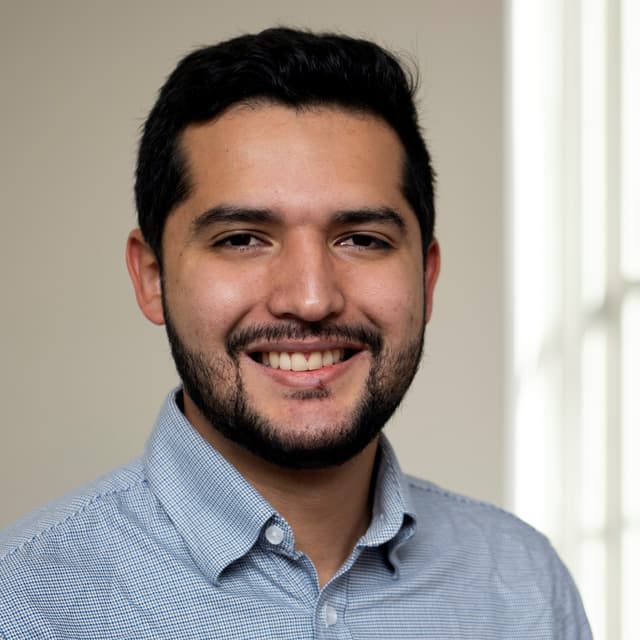
Dr. Jose Daniel Teodoro

Dr. Jose Daniel Teodoro

Founder · Lead Researcher · Social Network Performance Indicators (SNPI)

Dr. Teodoro is the founder of Dialectik and the creator of the Social Network Performance Indicators (SNPI) framework — a systematic approach to quantifying the quality of stakeholder collaboration in environmental governance. His work has been published in Environmental Science and Policy (Elsevier) in both 2024 and 2026, and has been applied to fieldwork in El Salvador, Brazil, and Canada.

Daniel's academic foundation is in transdisciplinary research — the integration of academic methods with local knowledge, participatory data gathering, and stakeholder encounters. He has mapped more than thirty-nine stakeholder organizations across five categories in the Salvadoran coffee sector alone, co-designing a research agenda for climate adaptation with farmers, government officials, NGOs, and export actors. At Dialectik, Daniel leads the social science methodology and the country-level case study design.

Dr. Vitali Diaz

Dr. Vitali DiazTU Delft

Co-founder · Geospatial Data Scientist

Dr. Diaz is Dialectik's environmental science counterpart — a Geospatial Data Scientist at TU Delft, Europe's premier technical university, and an expert in remote sensing, LiDAR observation, hydrological modeling, and drought and flood risk assessment. His work draws on satellite imagery, climate models, and large-scale environmental datasets to quantify physical vulnerability across landscapes.

Vitali's institutional position at TU Delft gives Dialectik access to established European research infrastructure and European funding channels. In the Dialectik partnership, he leads the environmental data pipeline — the satellite, LiDAR, and climate model components of the dual-stream methodology — and works jointly with Daniel to integrate those environmental findings with the social network layer.

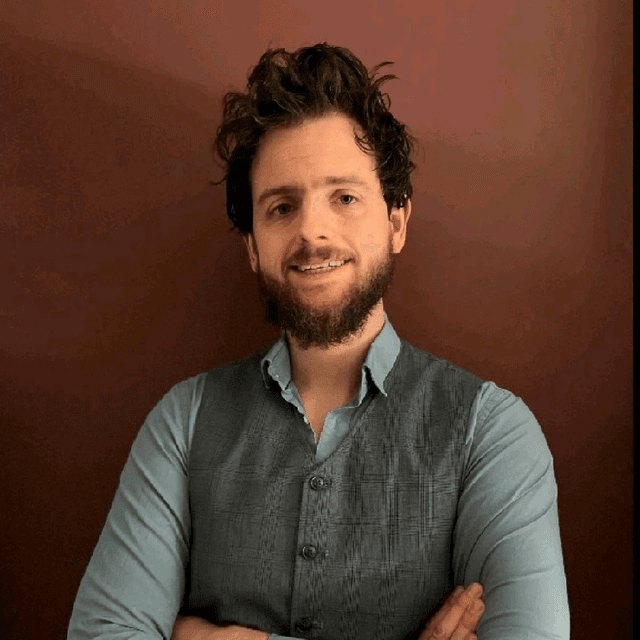
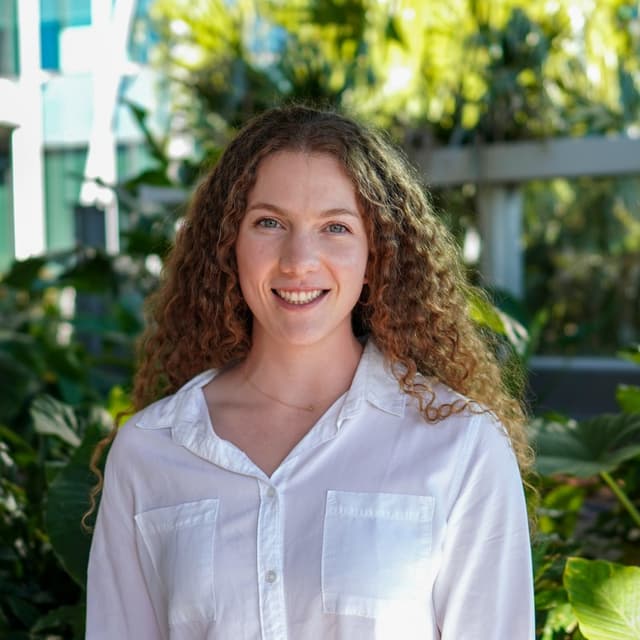
Bridget McGlynn

Bridget McGlynnQUT

Sustainability Scientist · PhD Candidate

Bridget is an interdisciplinary sustainability scientist focused on collaborative governance, water resources, and network analysis. Her research investigates how patterns of collaboration among decision-making actors reflect the spatial and logistical complexity of the environmental problems they address, drawing on social-ecological resilience thinking and a systems perspective.

She is a PhD candidate at Queensland University of Technology and a Centre for Global Studies Graduate Student fellow, and a co-author with Daniel Teodoro on the Social Network Performance Indicators (SNPI) framework. Bridget has been extensively involved in the WWF Canada – Brock Partnership for Freshwater Resilience, co-creating knowledge at the interface of research and practice.

Rick Vink

Rick VinkMetriek

Data Scientist

Rick is a data scientist with 8+ years of experience building end-to-end analytical and machine learning systems. His work spans recommender systems, time-series forecasting, statistical modeling, and applied NLP — translating messy, real-world data into evidence that supports decision-making.

At Dialectik he contributes to the data science layer of the dual-stream methodology, helping turn social network and environmental datasets into reproducible, auditable analyses. He holds an MSc in Applied Physics from TU Delft and is the founder of AI-Codex.

Institutional context


Where we sit in the landscape

TU DelftInstitutional affiliationEnvironmental Science & PolicyPeer-reviewed publications · ElsevierNetherlandsRegistered base of operationsLAC Region5 country focus · research network

SDG alignment


Our work connects to eleven UN Sustainable Development Goals

  • 1
  • 2
  • 6
  • 8
  • 10
  • 11
  • 12
  • 13
  • 15
  • 16
  • 17

Interested in collaborating?

We welcome conversations with institutional partners, coffee sector organizations, and fellow researchers working on climate adaptation in Latin America.

Schedule a conversation